Discover the best places to visit in Altea, Spain, from its picturesque whitewashed Old Town and famous blue-domed church to beautiful Mediterranean beaches, historic gateways, coastal viewpoints and hidden corners. Explore Plaza de la Iglesia, Mirador de los Cronistas, Cap Negret, La Olla, Altea la Vella and the spectacular Sierra de Bèrnia in this complete sightseeing guide to Altea on the Costa Blanca.
13th November 2026
Altea is one of the most beautiful destinations on Spain's northern Costa Blanca, famous for its whitewashed streets, striking blue-domed church, traditional architecture and spectacular Mediterranean views.
Situated between Benidorm and Calpe, this charming coastal town combines historic character with attractive beaches, artistic heritage and dramatic mountain scenery.
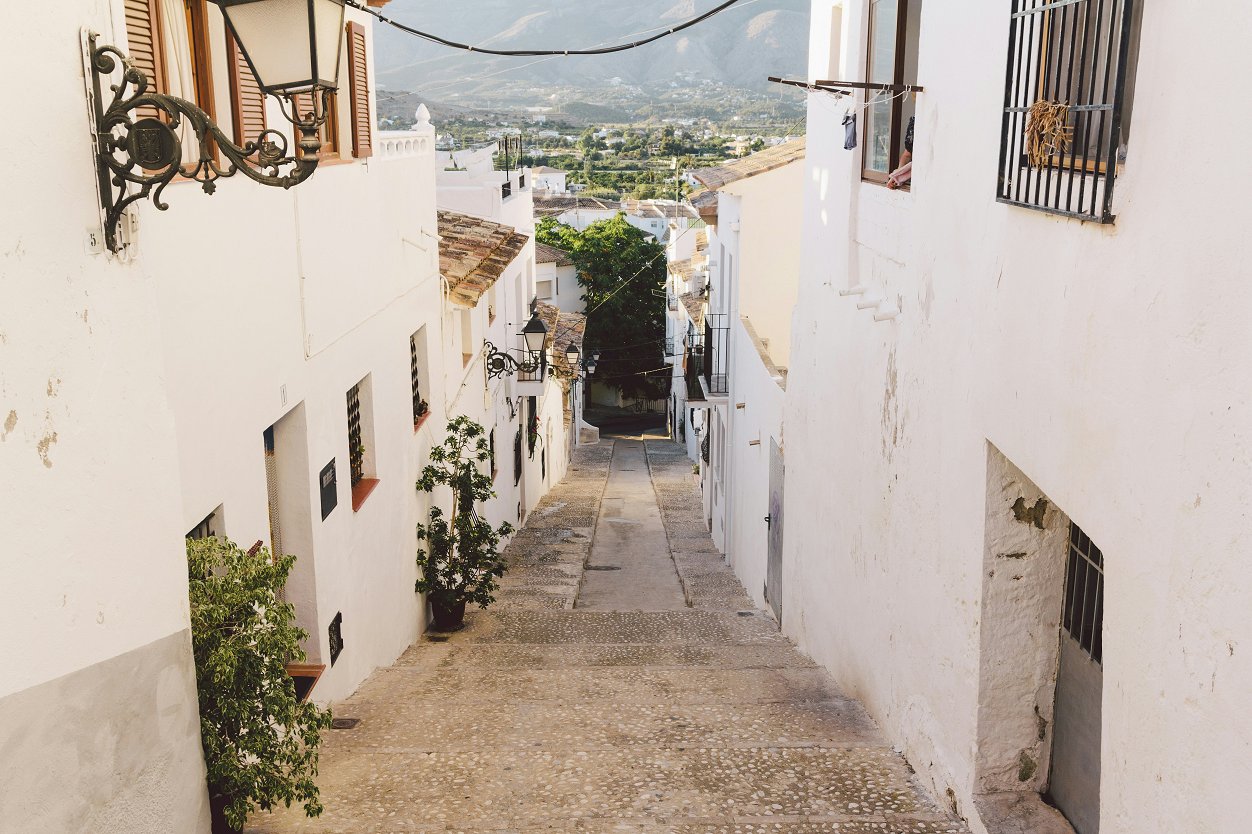
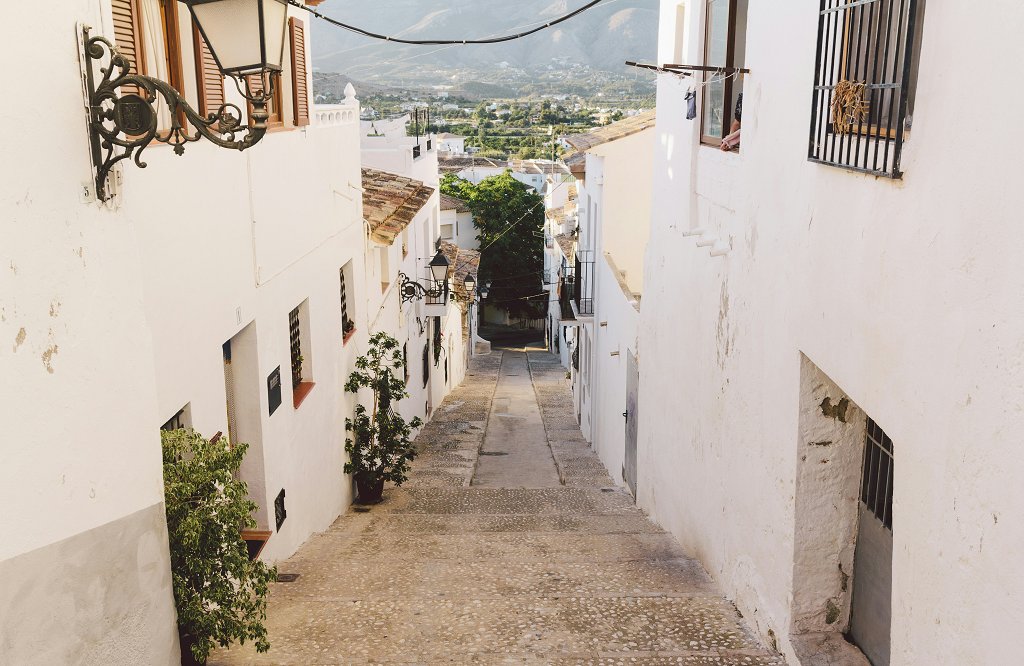
Its Old Town is undoubtedly one of the main attractions, with narrow cobbled streets winding uphill towards the Church of Nuestra Señora del Consuelo. Along the way, visitors can discover colourful flowers, historic gateways, independent galleries and some of the most picturesque viewpoints in the region.
However, there is much more to Altea than its famous church and historic streets.
The surrounding coastline features beautiful pebble beaches, small coves, attractive marinas and peaceful natural areas, while the nearby countryside offers traditional villages, historic landmarks and spectacular mountain scenery.
Whether you are visiting Altea for the first time or returning to discover somewhere new, here are some of the best places to visit in Altea, from famous landmarks to lesser-known corners.
One of the best places to begin exploring Altea is its beautiful historic centre, known locally as the Casco Antiguo.
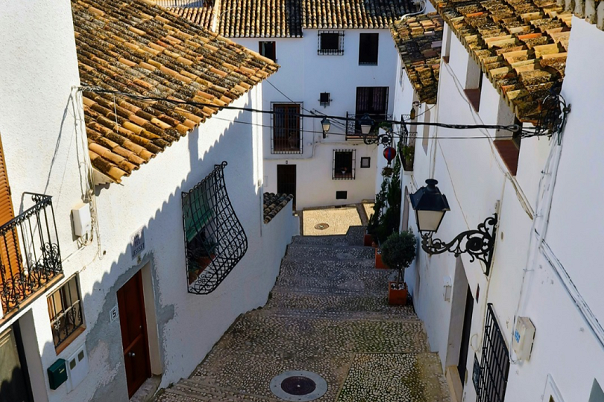
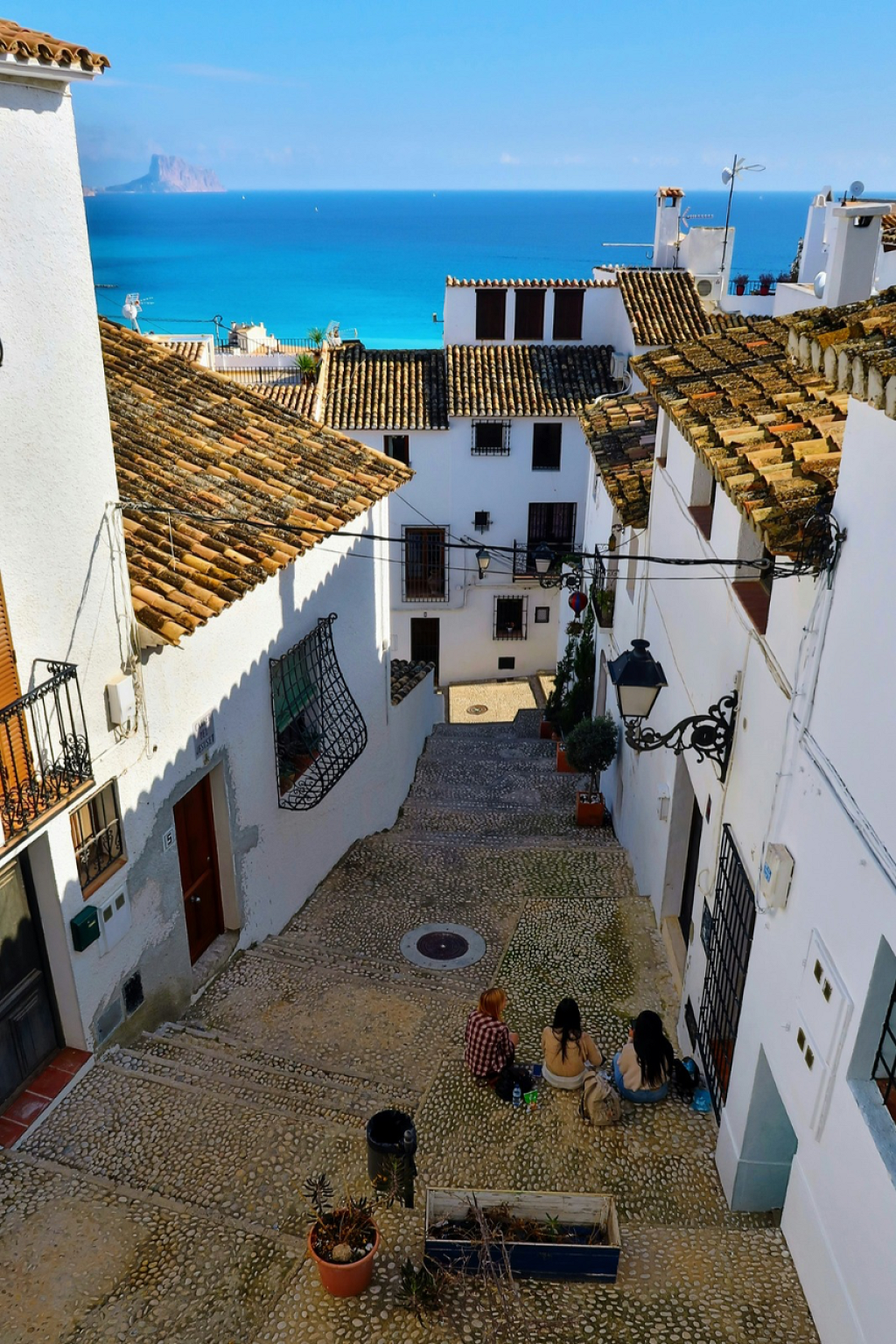
Perched on a hillside overlooking the Mediterranean, the Old Town is famous for its whitewashed buildings, narrow cobbled streets, decorative balconies and colourful flowers.
The area retains much of its traditional Spanish character, with architectural features reflecting different periods of Altea's history.
As you wander through the streets, you will discover picturesque squares, traditional doorways, small art galleries and attractive viewpoints.
The historic centre also contains surviving elements of the town's former defensive walls, providing an insight into Altea's past as a fortified settlement.
Unlike the modern seafront, the Old Town has a peaceful atmosphere in many of its smaller streets, particularly during the morning.
Visitors can spend several hours discovering its architecture, admiring the views and enjoying refreshments in one of the traditional squares.
Location: Historic centre of Altea, 03590.
Suggested visit: Allow approximately 90 minutes to two hours.
Visitor tip: The Old Town contains steep streets, cobbles and steps, so comfortable walking shoes are recommended.
Follow our Historic Centre Altea – Explore the Old Town guide for a detailed walking route.
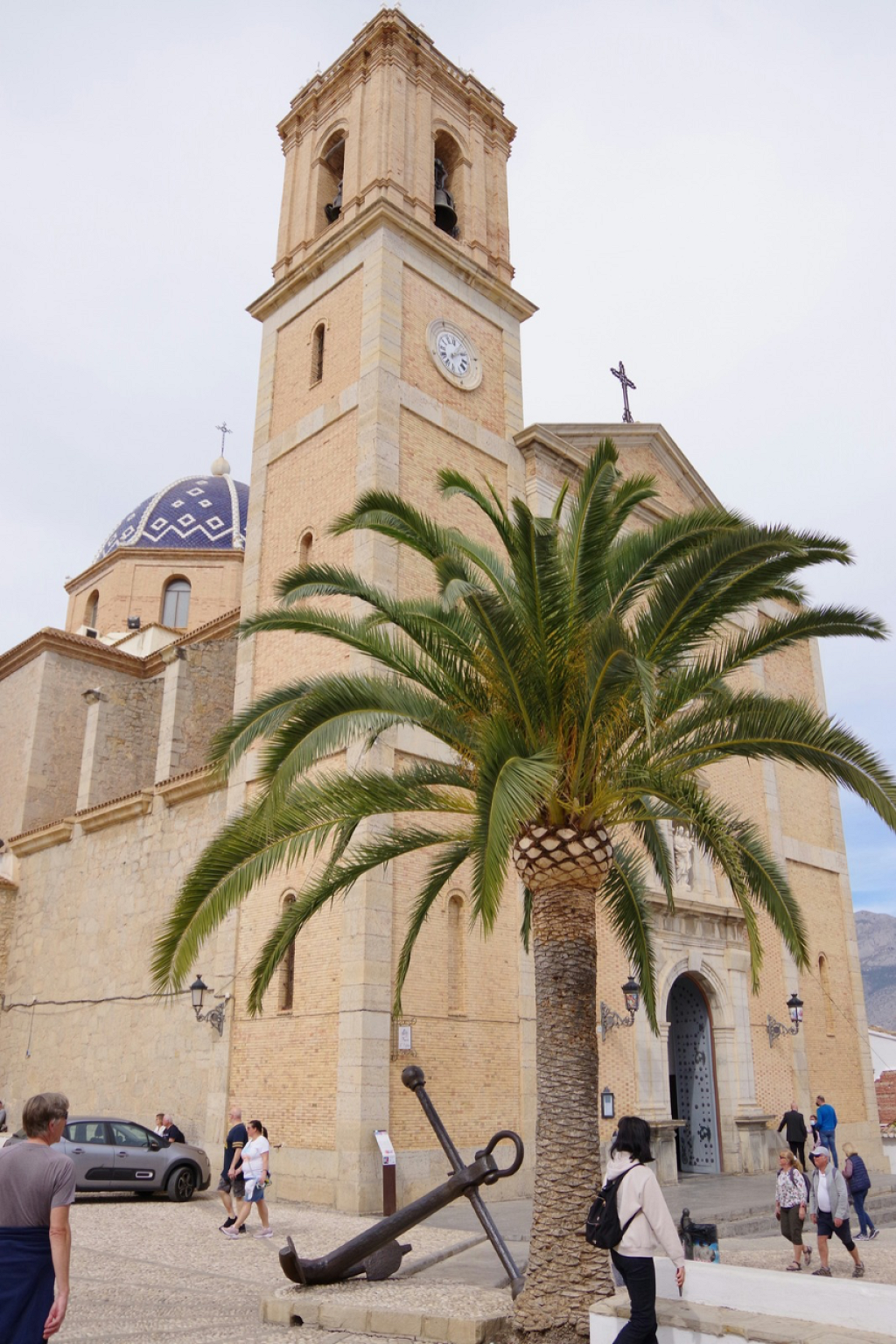
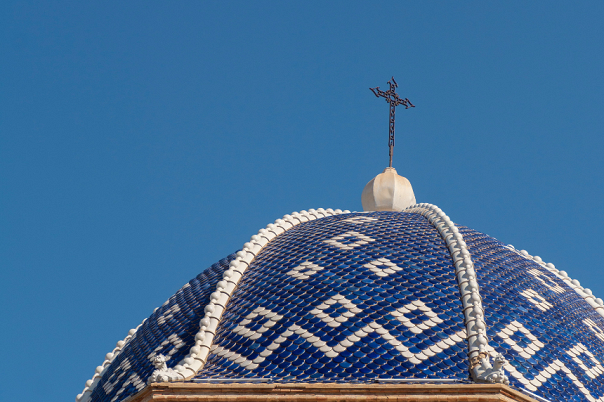
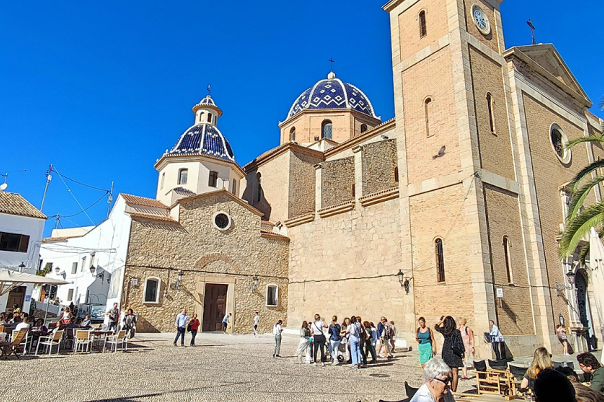
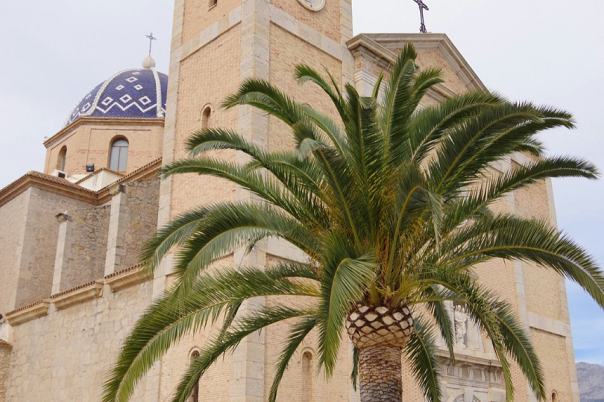
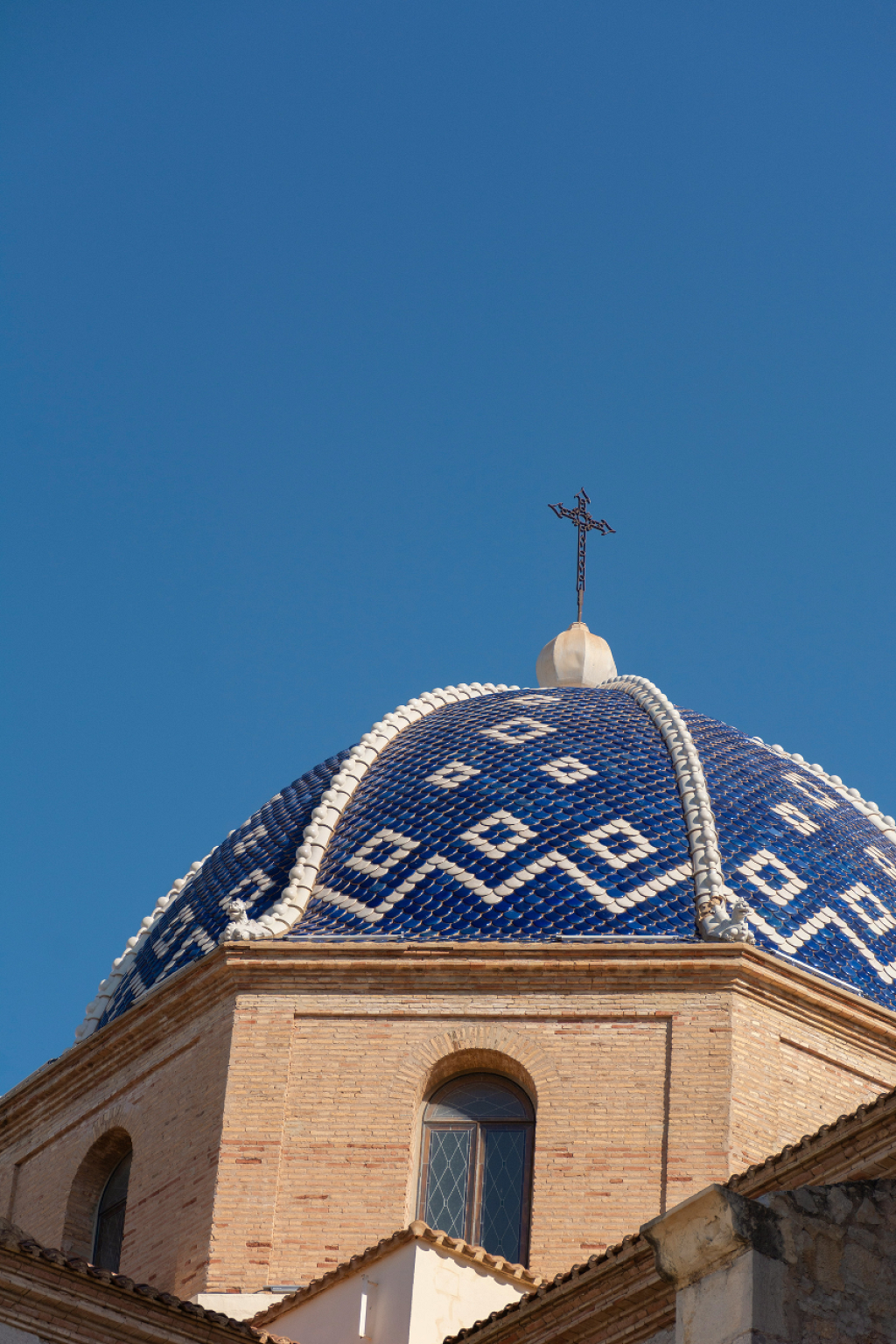
Standing at the highest point of Altea Old Town, the Church of Nuestra Señora del Consuelo is one of the most recognisable landmarks on the Costa Blanca.
Its magnificent blue-and-white tiled domes rise above the surrounding whitewashed houses, creating the iconic image of Altea.
The present church was completed in the early 20th century, although the site has been associated with religious buildings for many centuries.
Its architecture features an attractive façade, decorative details and an impressive interior.
The church remains an important place of worship and forms the centrepiece of Altea's historic neighbourhood.
Visitors can admire the building from Plaza de la Iglesia, where its colourful domes contrast beautifully with the blue Mediterranean sky.
It is particularly photogenic during the morning and late afternoon.
Location: Plaza de la Iglesia, Altea Old Town.
Visitor tip: The church is an active place of worship. Interior access may be restricted during religious services.
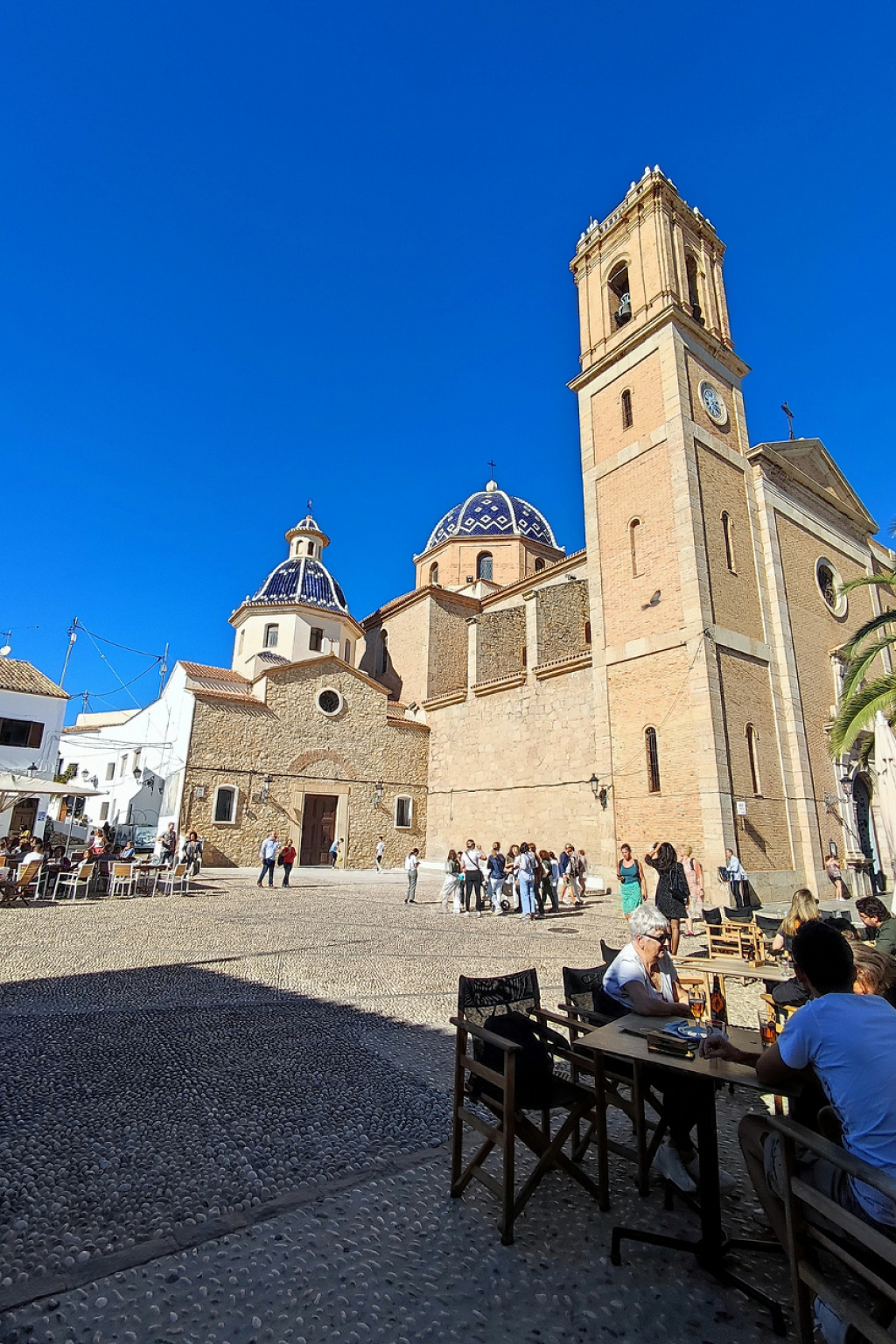
Plaza de la Iglesia is one of the most picturesque squares in Altea and an essential stop during any visit.
Situated beside the famous blue-domed church, the square is surrounded by whitewashed buildings, traditional restaurants, cafés and independent boutiques.
Its elevated position gives the surrounding area a distinctive atmosphere, with beautiful views of the coastline accessible from nearby viewpoints.
Visitors can enjoy a coffee, admire the historic architecture or simply relax and take in the surroundings.
The square is particularly attractive during the evening, when restaurants become lively and the church is illuminated.
For photographers, the combination of colourful domes, traditional buildings and cobbled streets makes it one of the town's most memorable locations.
Best for: Sightseeing, photography, couples and historic architecture.
Visitor tip: Visit early in the morning if you prefer a quieter atmosphere, particularly during summer.
One of the most interesting historical landmarks in Altea Old Town is Portal Vell, also known as the Puerta de Valencia.
This surviving gateway formed part of the town's 17th-century defensive enclosure.
Historically, the gateway provided access through the fortified walls from the old route towards Valencia.
Today, it remains an important reminder of Altea's past and the period when the settlement was protected by defensive structures.
The surrounding streets are particularly attractive, with whitewashed buildings and traditional architectural details.
Calle Mayor connects Portal Vell with Plaza de la Iglesia, following a historic street layout that has survived through the centuries.
For visitors interested in architecture and local history, the gateway is well worth including in a walking tour.
Location: Portal Vell, Altea Old Town.
Visitor tip: Combine it with Calle Mayor, Calle Salamanca and Plaza de la Iglesia.
Portal Nou, also known as the Puerta del Mar, is another surviving gateway from Altea's former fortified settlement.
The gateway was opened during the 18th century as the town expanded and connections with its coastal neighbourhood became increasingly important.
Its position reflects the relationship between the historic hilltop settlement and the developing maritime district below.
Today, Portal Nou is an attractive historical feature surrounded by picturesque streets and traditional buildings.
Nearby is Plaza Carmelina Sánchez-Cutillas, named in honour of the influential Valencian writer associated with Altea.
The area provides an opportunity to discover a quieter part of the historic centre while learning more about the town's cultural heritage.
Location: Portal Nou, Altea Old Town.
Visitor tip: Visit as part of the protected historic enclosure route rather than making a separate journey.
For visitors interested in discovering Altea beyond its most photographed streets, Barrio de Bellaguarda is one of the most fascinating historic areas.
This traditional neighbourhood is associated with Altea's early fortified settlement and the remains of its medieval defensive structures.
The area preserves attractive narrow streets, whitewashed houses and architectural details reflecting the town's long history.
One of its most interesting landmarks is the reconstructed Torre de Bellaguarda, associated with the original defensive system.
The neighbourhood provides a quieter alternative to the busy church square, particularly outside the main holiday season.
Visitors can enjoy the historic surroundings while discovering how Altea developed before the construction of its later fortified centre.
Best for: Local history, architecture and quieter sightseeing.
Visitor tip: The streets contain slopes and steps, making this more suitable for visitors comfortable with uneven historic routes.
Calle Salamanca is one of Altea Old Town's most interesting streets for visitors who appreciate traditional architecture.
The street contains several historic houses dating from the 18th and 19th centuries.
These buildings provide an insight into the lifestyles of Altea's former wealthy residents.
Their architecture includes traditional façades, doorways, balconies and details associated with the town's historic development.
One particularly interesting building is number 5, which retains architectural features associated with the local bourgeoisie of the period.
The street is also attractive for photography, with whitewashed buildings and traditional Mediterranean details.
Location: Calle Salamanca, Altea Old Town.
Visitor tip: Many buildings remain private residences. Appreciate their architectural details from public streets and respect residents' privacy.
Calle San Miguel is one of the most recognisable streets in Altea Old Town.
Lined with traditional buildings, small shops, galleries and restaurants, it provides a charming introduction to the town's artistic atmosphere.
Visitors can admire decorative balconies, colourful flowers and historic architecture while walking towards Plaza de la Iglesia.
The street is particularly attractive during the warmer months, when its shops and restaurants create a lively atmosphere.
It is also a good location for photography, with picturesque corners and views of the historic surroundings.
Best for: Photography, traditional architecture and independent shopping.
Visitor tip: Visit in the morning for a quieter experience, or in the evening for a livelier atmosphere.
One of the most famous viewpoints in Altea is Mirador de los Cronistas de España.
Located just a short walk from Plaza de la Iglesia, this elevated viewpoint offers spectacular panoramic views across the Mediterranean coastline.
Visitors can admire the surrounding beaches, Altea's lower town and the mountains in the distance.
On clear days, the view extends towards Benidorm and the distinctive skyline beyond the bay.
The viewpoint is particularly popular with photographers because it provides a beautiful perspective of Altea's coastal setting.
It is also an excellent place to appreciate how the historic Old Town rises above the modern waterfront.
Location: Near Plaza de la Iglesia, Altea Old Town.
Cost: Free.
Visitor tip: Visit during the morning or late afternoon for particularly attractive lighting.
Mirador Blanco is another attractive viewpoint within Altea's historic centre.
Situated a short walk from the church square, it provides a different perspective of the surrounding coastline and traditional rooftops.
The viewpoint is part of the network of scenic locations that make Altea particularly appealing for photography.
Visitors can admire the contrast between the whitewashed historic buildings, blue Mediterranean and surrounding mountains.
Unlike the busy streets around the main church, smaller viewpoints can provide opportunities to stop and enjoy the scenery at a more relaxed pace.
Best for: Photography, couples and sightseeing.
Visitor tip: Combine Mirador Blanco with Mirador de los Cronistas de España during the same Old Town walk.
Glorieta del Maño is one of Altea's most interesting viewpoints because it combines beautiful scenery with an important historical setting.
The viewpoint occupies an area associated with the former Casa de la Señoría, a building connected with Altea's historic fortifications.
Its elevated position once played a defensive role, overlooking the mouth of the Algar River and surrounding coastline.
Today, visitors can enjoy panoramic views while appreciating the historic importance of the location.
The surrounding streets also contain attractive traditional buildings.
For anyone exploring the protected historic centre, Glorieta del Maño is a rewarding stop away from the main church square.
Location: Historic fortified centre of Altea.
Visitor tip: Include the viewpoint in a walking route connecting Portal Vell, Calle Salamanca and Portal Nou.
Plaza de Francesc Martínez i Martínez is another interesting location within the historic fortified area of Altea.
Named after an important Valencian scholar and folklorist, the square forms part of the town's cultural heritage.
The surrounding area is associated with the former defensive walls and provides an attractive setting for visitors interested in Altea's architectural history.
Compared with Plaza de la Iglesia, this is a quieter location that can easily be overlooked by visitors following the most popular sightseeing routes.
Its traditional surroundings make it particularly appealing for a leisurely walk through the Old Town.
Visitor tip: Combine this stop with nearby Portal Nou and the other historic squares.
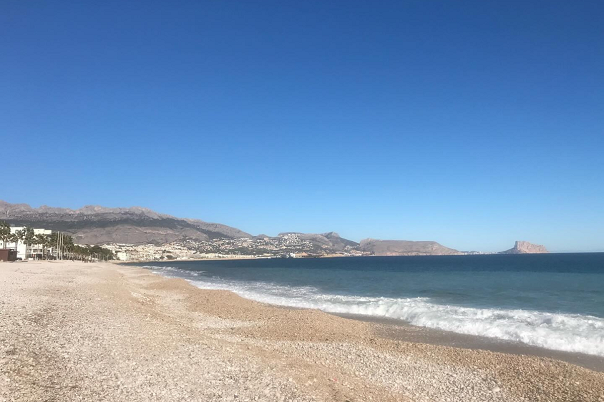
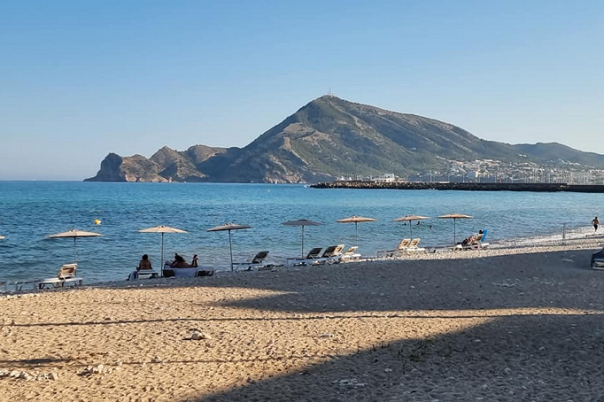
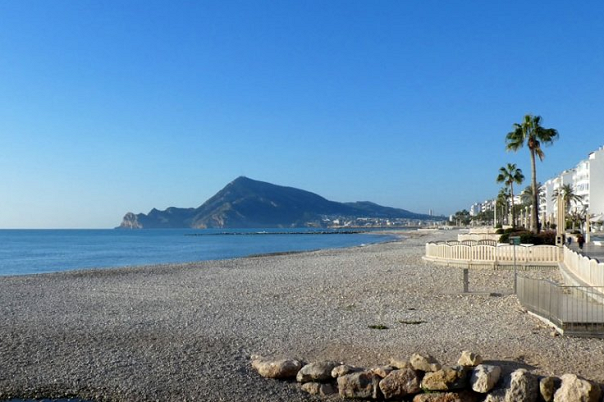
Playa de la Roda is one of Altea's best-known beaches and a popular destination for visitors staying close to the town centre.
Situated beneath the historic Old Town, the beach features a mixture of pebbles, gravel and some sandy sections.
Its position beside the seafront promenade makes it convenient for combining a beach visit with shopping, dining or exploring the town.
The surrounding waterfront is lined with cafés, bars and restaurants, creating an attractive Mediterranean atmosphere.
Visitors can enjoy coastal scenery, relax beside the water or take a walk along the promenade.
The beach is particularly appealing during the late afternoon and evening, when the surrounding area becomes lively with residents and holidaymakers.
Location: Central Altea seafront.
Visitor tip: The seabed can deepen quickly, and pebbles may be uncomfortable underfoot. Water shoes are useful, and visitors should follow local beach safety advice.
Read our Altea Beach Guide – The Best Beaches in Altea.
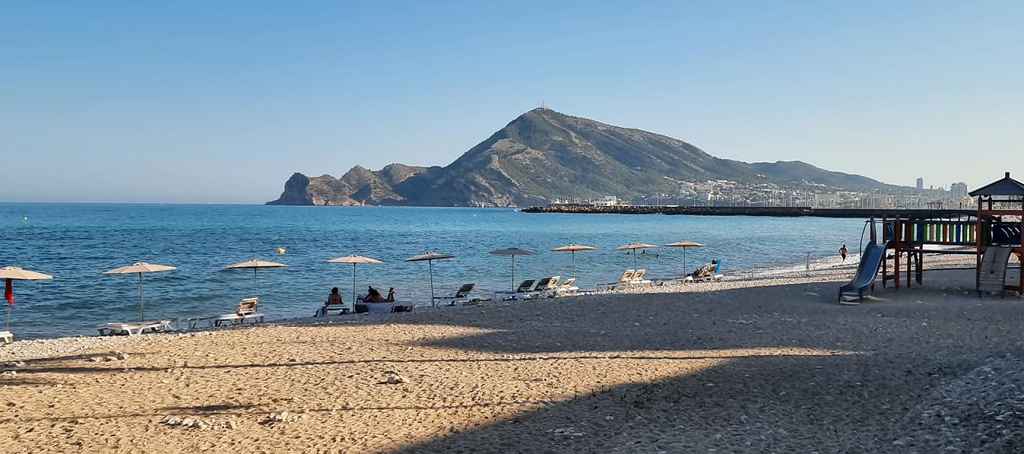
Playa de l'Espigó is another attractive coastal location close to Altea town centre.
Situated near the mouth of the Algar River, this beach offers an appealing setting with Mediterranean views and convenient access to the promenade.
Its shoreline consists mainly of pebbles and rounded stones, creating a different experience from the sandy beaches of neighbouring Benidorm.
The beach is sheltered by breakwaters, although swimming conditions can still vary.
Visitors can combine a relaxing beach stop with a walk along the waterfront or lunch at a nearby restaurant.
Its central position makes it particularly convenient for those exploring Altea without a car.
Location: Central Altea, near the Algar River mouth.
Visitor tip: Accessible bathing services and lifeguard provision are seasonal. Confirm current arrangements if assistance is required.
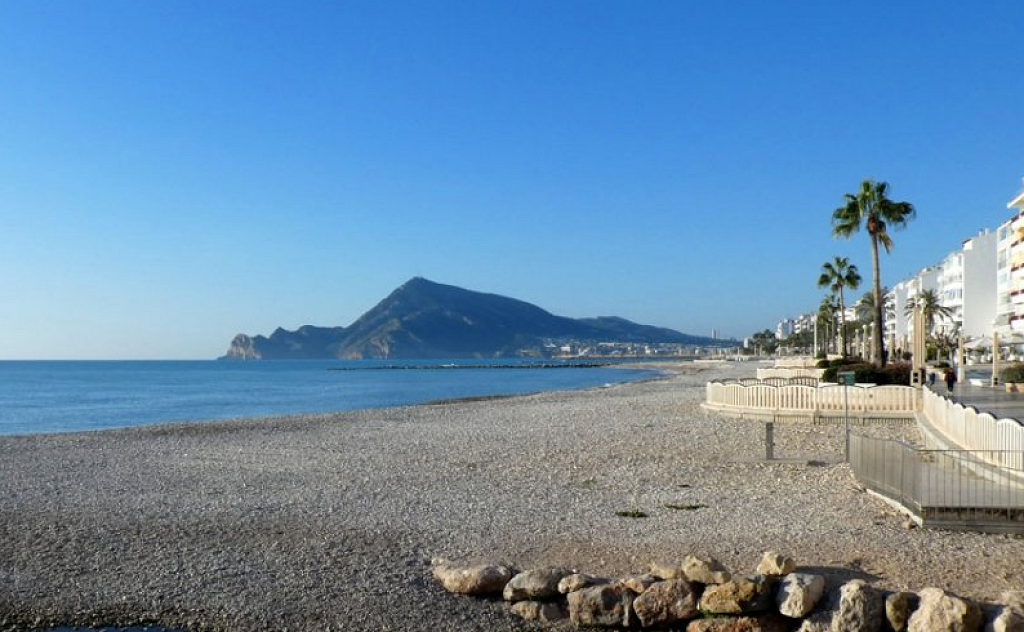
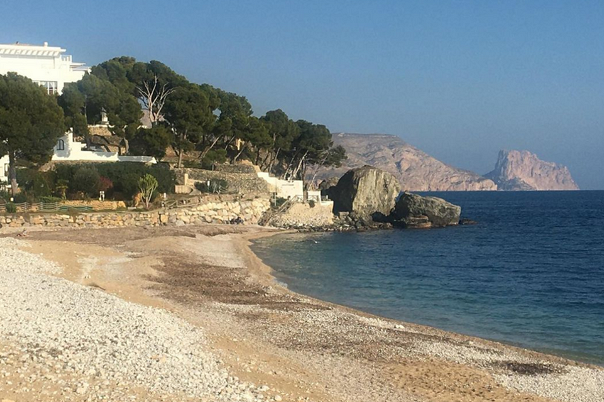
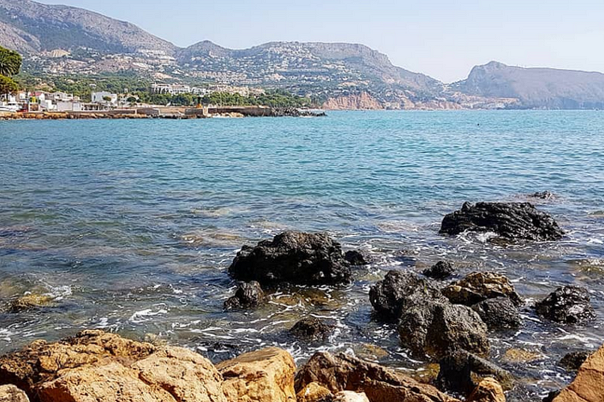
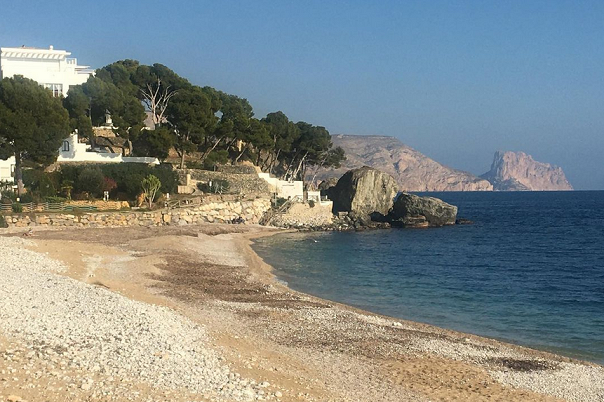
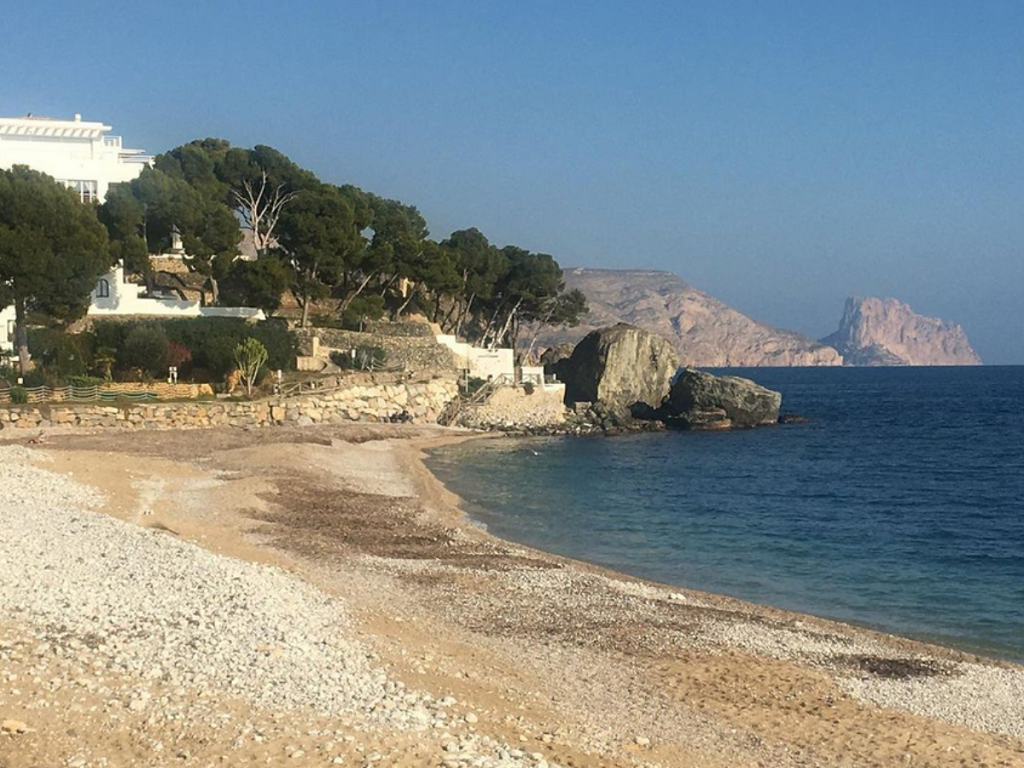
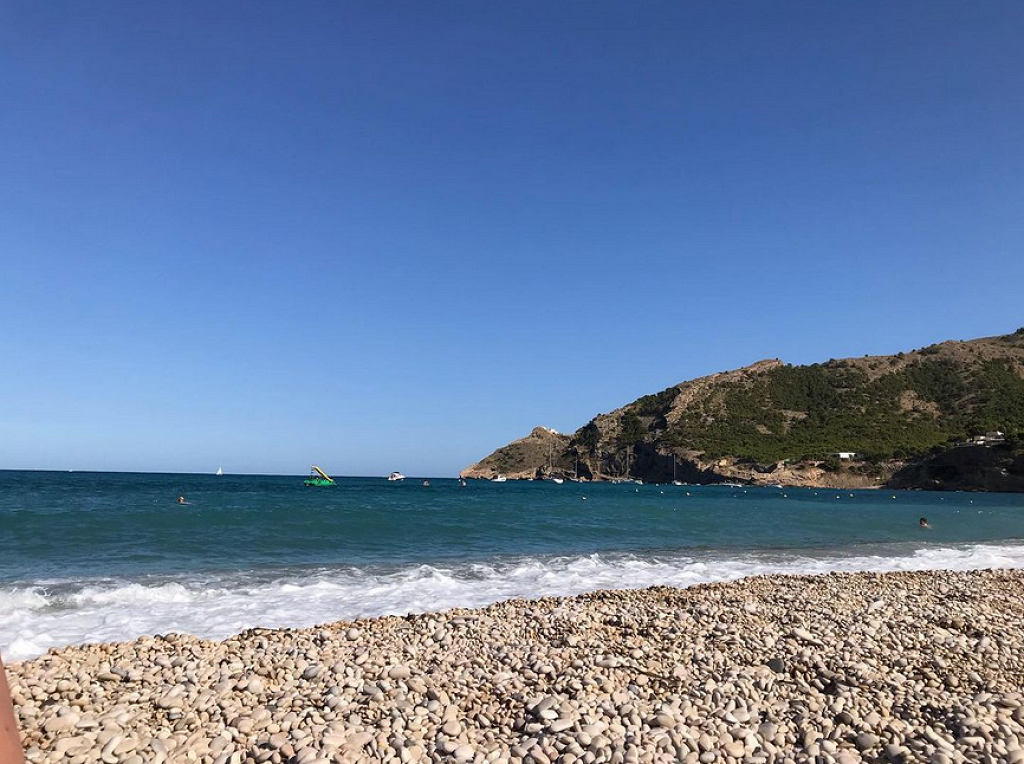
Located north of Altea town centre, Playa de Cap Negret is one of the area's most distinctive coastal attractions.
The beach is known for its pebbly shoreline, clear Mediterranean water and beautiful views towards the Sierra de Bèrnia.
The surrounding landscape provides an attractive contrast to the more developed central seafront.
Visitors can enjoy coastal photography, relaxing beside the water or taking a walk along the surrounding shoreline.
The dark stones and natural scenery give the area a distinctive appearance.
Cap Negret is particularly appealing for visitors who prefer a quieter beach setting outside the busiest periods.
Location: Cap Negret, north of central Altea.
Visitor tip: Facilities and lifeguard services vary by season. Wear suitable footwear and check sea conditions before swimming.
Explore our Complete Guide to Altea's Beaches.
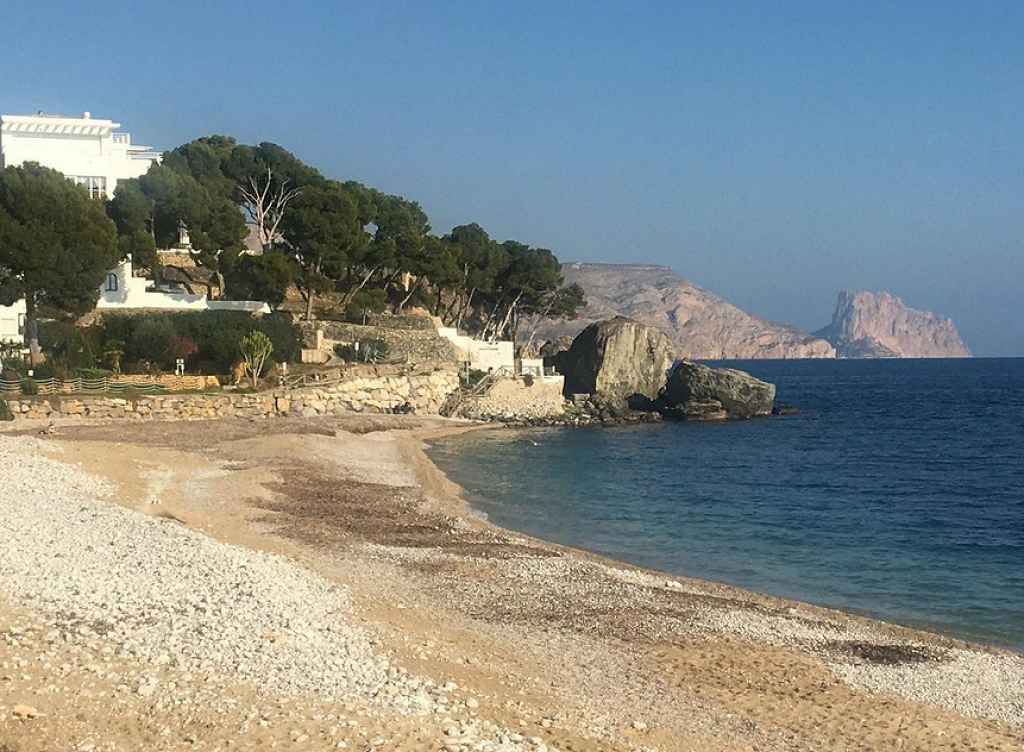
Playa de la Olla is one of Altea's most picturesque coastal locations.
Situated north of the town centre, the beach offers attractive Mediterranean scenery and views towards two small offshore islets.
The best-known is L'Illeta de l'Olla, a distinctive landmark visible from the shoreline.
The beach has a mixture of pebbles, rocks and patches of sand, making it particularly attractive for visitors who enjoy natural coastal surroundings.
The area is also famous for Castell de l'Olla, Altea's annual fireworks celebration, which takes place over the sea.
Visitors can enjoy the scenery, take photographs or explore the shoreline when conditions allow.
Location: Playa de la Olla, Altea.
Visitor tip: Do not assume the offshore islands can be reached safely by swimming. Check sea conditions, maritime traffic and any protected-area restrictions before considering water activities.
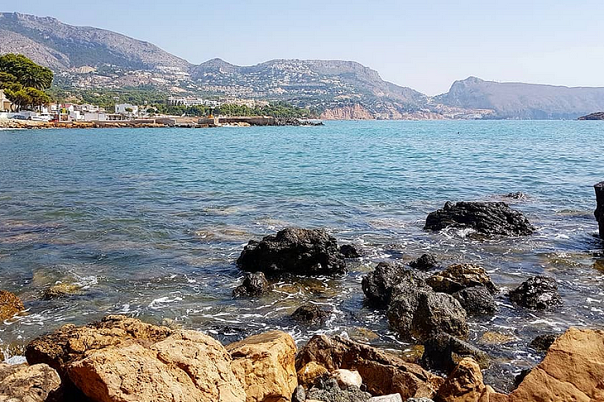
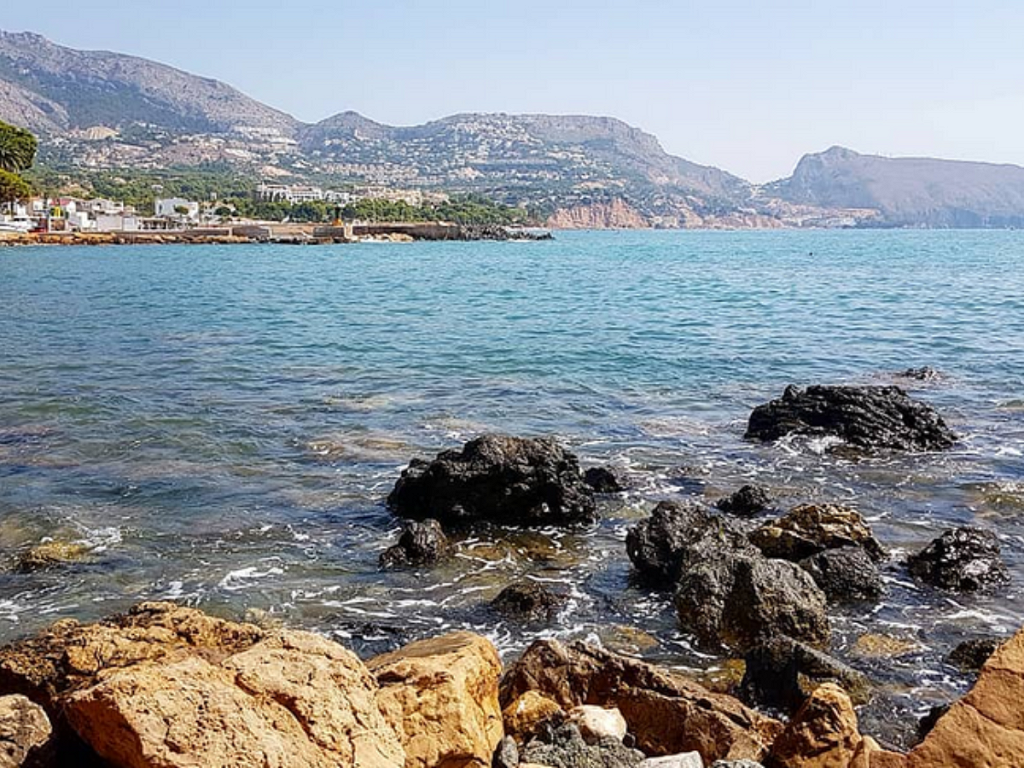
For visitors looking to discover a quieter side of Altea's coastline, Cala del Soio is worth exploring.
This small cove is known for its rocky surroundings, darker stones and attractive Mediterranean setting.
Unlike the main central beaches, it offers a more natural coastal environment.
The surrounding landscape is particularly interesting for photography, with rock formations and clear water creating beautiful views.
The cove is sometimes popular with snorkellers when conditions are suitable.
However, access to the shoreline may be more challenging than at Altea's main beaches.
Best for: Coastal photography, nature lovers and exploring smaller coves.
Visitor tip: Facilities are limited and the rocks can be slippery. Check access arrangements and sea conditions before visiting.
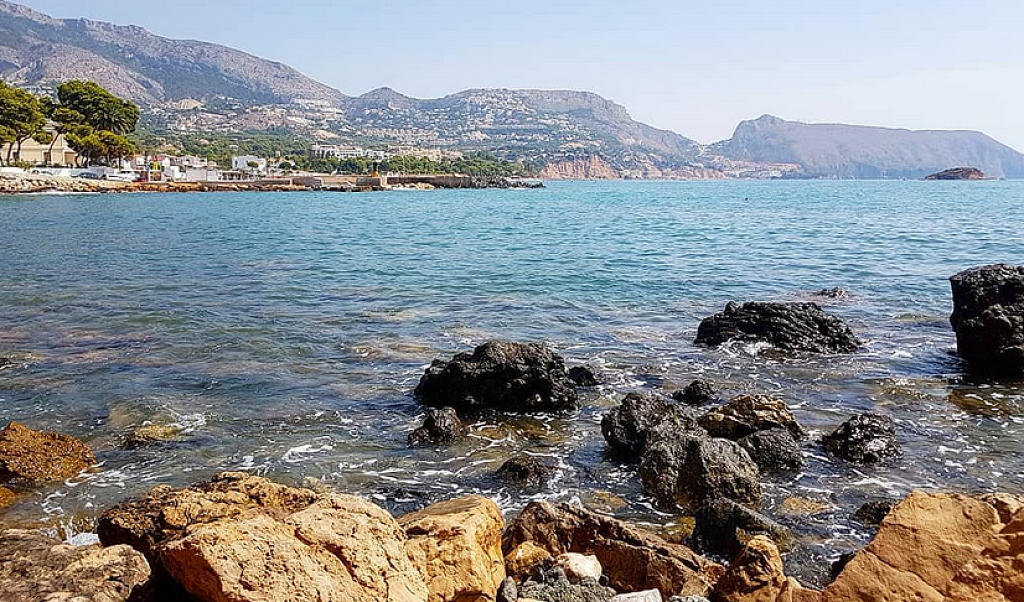
Situated at the southern end of Altea's coastline, Playa de Cap Blanc is another attractive Mediterranean beach.
The shoreline extends towards neighbouring Albir, offering views of the surrounding coast and Serra Gelada.
The beach features pebbles and gravel, with a more open coastal setting than some of Altea's smaller coves.
Its location near the sailing club makes it particularly appealing for visitors interested in boats and maritime scenery.
The surrounding area provides opportunities for seaside walks and photography.
Location: Southern Altea, towards Albir.
Visitor tip: Cap Blanc is in Altea, while Playa del Albir belongs to neighbouring L'Alfàs del Pi. They are separate beaches.
Read our Altea Beach Guide.
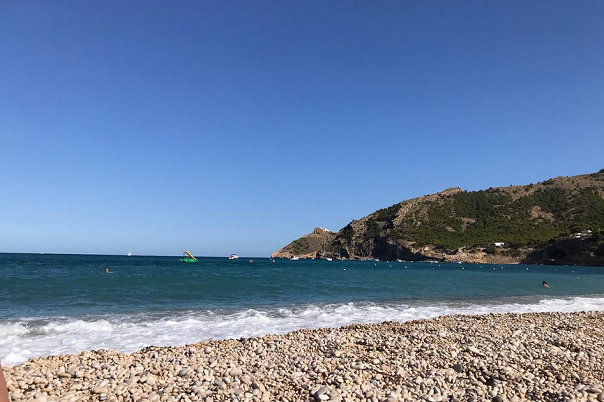
For a more dramatic coastal setting, Playa del Mascarat is one of the most attractive places to visit in northern Altea.
Situated near the Greenwich Marina area, this beach is surrounded by striking cliffs and rugged Mediterranean scenery.
The coastline features a mixture of pebbles and rocky areas, with impressive views of the surrounding landscape.
Its location beneath the mountain slopes creates a different atmosphere from the central beaches.
Visitors can enjoy coastal photography, appreciate the dramatic cliffs or spend time beside the Mediterranean.
The nearby marina also provides an attractive setting for a waterfront walk.
Location: Mascarat, northern Altea.
Visitor tip: Access, parking and facilities differ from the central beaches. Some nearby cliffs and coastal paths are steep or exposed, so remain within permitted public areas.
Altea's port and marina are among the town's most attractive coastal locations.
The area reflects Altea's maritime heritage and combines leisure boats, sailing facilities and beautiful Mediterranean views.
Visitors can enjoy a waterfront walk, admire the boats and discover the surrounding coastline.
The marina is particularly appealing for photographers, with white yachts contrasting against the blue water and mountains.
Nearby restaurants and cafés provide opportunities to stop for refreshments.
The harbour also offers an interesting contrast to the historic Old Town, demonstrating Altea's continuing relationship with the sea.
Visitor tip: Parts of the marina are private or operational. Remain in designated public areas.
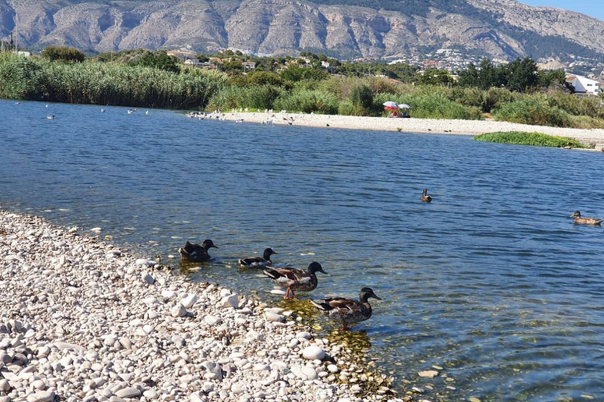
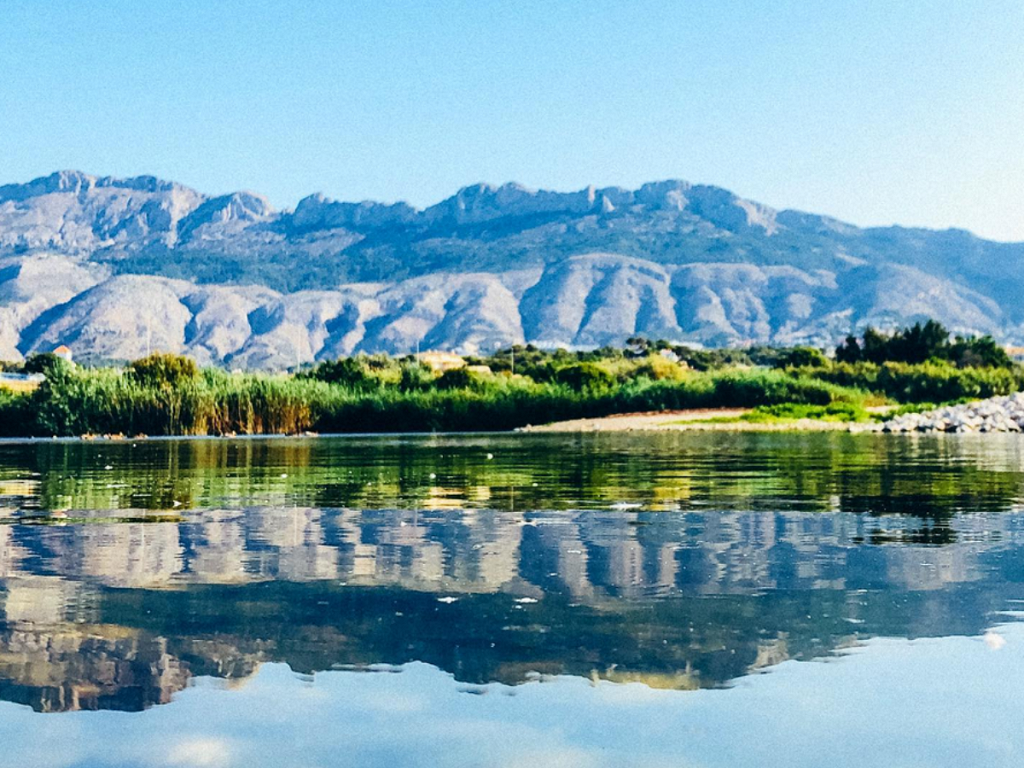
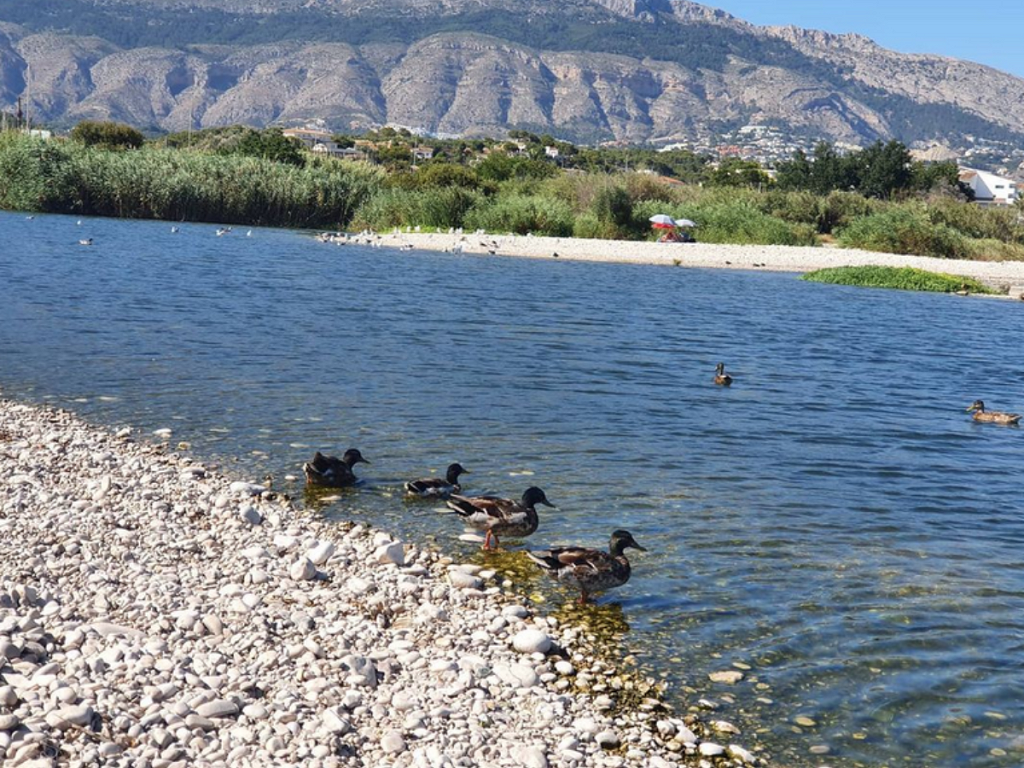
One of Altea's lesser-known natural attractions is the mouth of the Algar River.
Situated close to the coastline, this wetland environment provides an important habitat for birds, plants and other wildlife.
The river is particularly significant during migration periods, when different bird species use the area for feeding and resting.
Visitors may spot herons, egrets, ducks, kingfishers and other water birds, depending on the season.
The surrounding vegetation includes reeds, tamarisks and other plants associated with Mediterranean wetlands.
For nature enthusiasts, this provides a completely different experience from Altea's beaches and historic streets.
The area is particularly attractive for photography and birdwatching during the morning.
Location: Mouth of the Algar River, Altea.
Visitor tip: Bring binoculars, remain on public paths and avoid disturbing wildlife.
Read our El Río Algar – Algar River Altea Guide.
A short journey inland from central Altea, Altea la Vella offers a quieter and more traditional atmosphere.
Situated near the foothills of the Sierra de Bèrnia, the village provides an interesting contrast to the town's busy coastline.
Visitors can discover traditional streets, small squares, local cafés and attractive rural surroundings.
The village has a long history and retains a character associated with local agriculture and countryside life.
One of its main landmarks is the Church of Santa Anna.
The surrounding landscape also provides beautiful views towards the mountains.
For visitors looking to explore somewhere beyond Altea's most popular attractions, Altea la Vella is a rewarding destination.
Location: Altea la Vella, inland from Altea.
Visitor tip: A car or suitable local transport may be useful for visiting the village and surrounding countryside.
Located within Altea la Vella, the Church of Santa Anna is one of the village's most important religious landmarks.
The church reflects the area's traditional history and remains an important part of local community life.
Its architectural character and village setting provide an attractive contrast to Altea's larger blue-domed church.
Visitors exploring Altea la Vella can admire the building and appreciate the surrounding traditional streets.
The church also forms part of the area's religious and cultural identity.
Visitor tip: Check interior visiting arrangements and respect services. Combine a visit with a walk through Altea la Vella rather than making a separate journey solely for the church.
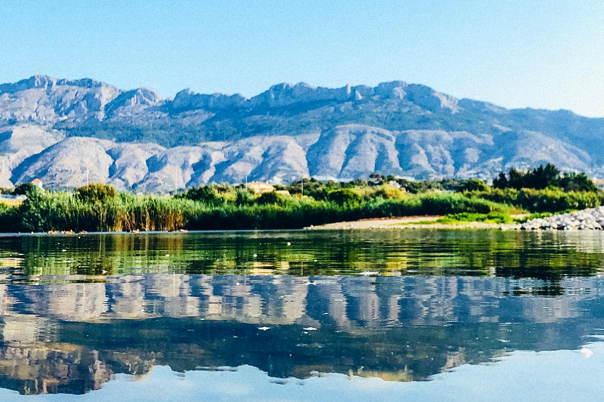
For visitors who enjoy natural scenery, the Sierra de Bèrnia is one of the most impressive landscapes near Altea.
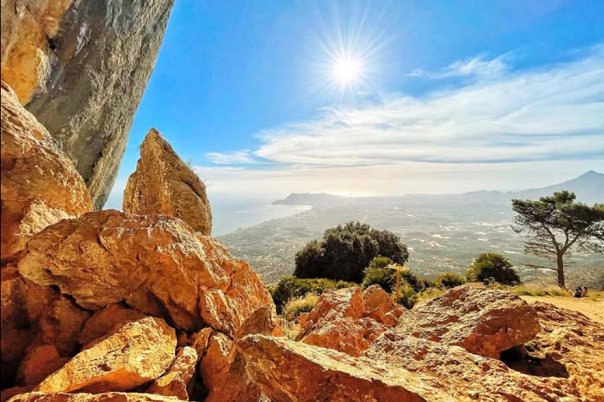
This rugged limestone mountain range rises inland from the coast and provides spectacular views across the Mediterranean.
The area contains rocky peaks, Mediterranean vegetation, historic paths and fascinating natural formations.
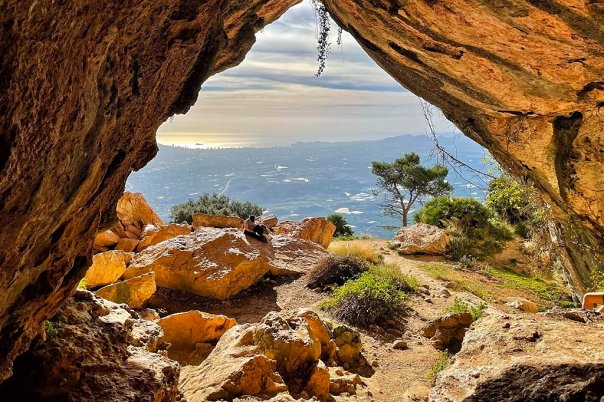
One of its most famous attractions is El Forat de Bèrnia, a natural tunnel passing through the mountain.
Walkers who complete the demanding route can enjoy extraordinary views across Altea, Serra Gelada and the surrounding coastline.
The area is also home to the remains of the 16th-century Fort de Bèrnia, which was constructed as part of the region's defensive system.
However, exploring this landscape requires considerably more preparation than visiting Altea's historic streets or beaches.
Best for: Experienced walkers, nature enthusiasts and mountain photography.
Visitor tip: The mountain trails involve steep, rocky terrain and exposed sections. Check the weather, route conditions and your fitness before attempting the walk.
Read our El Forat de Bèrnia – Hiking on the Costa Blanca guide.
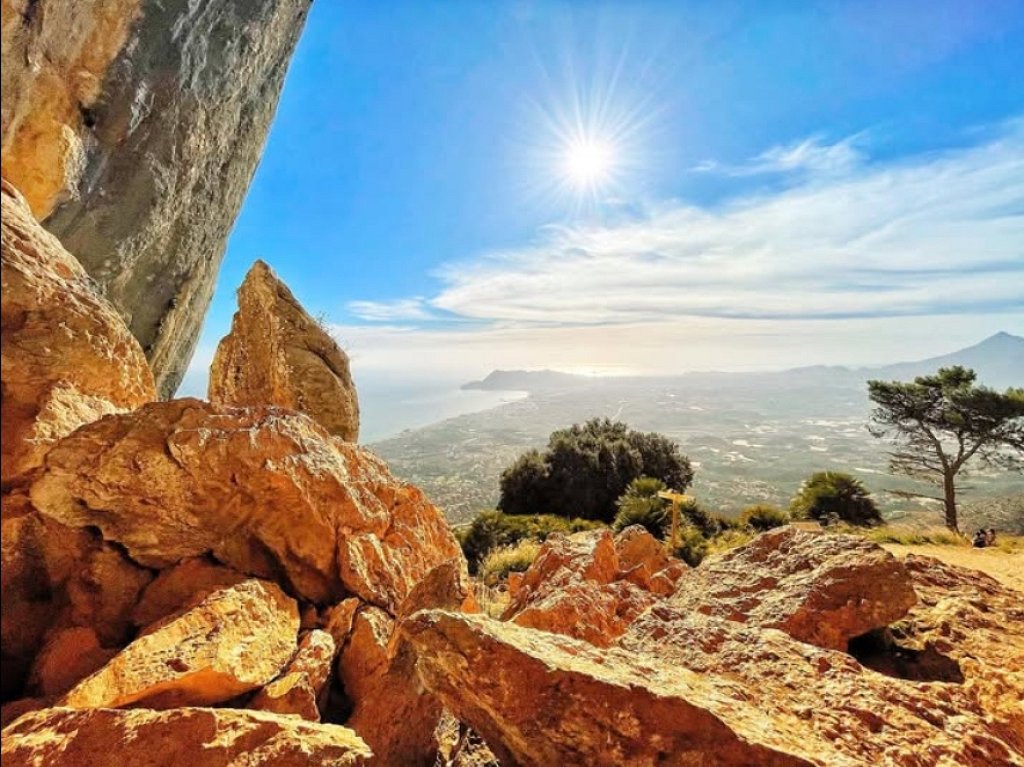
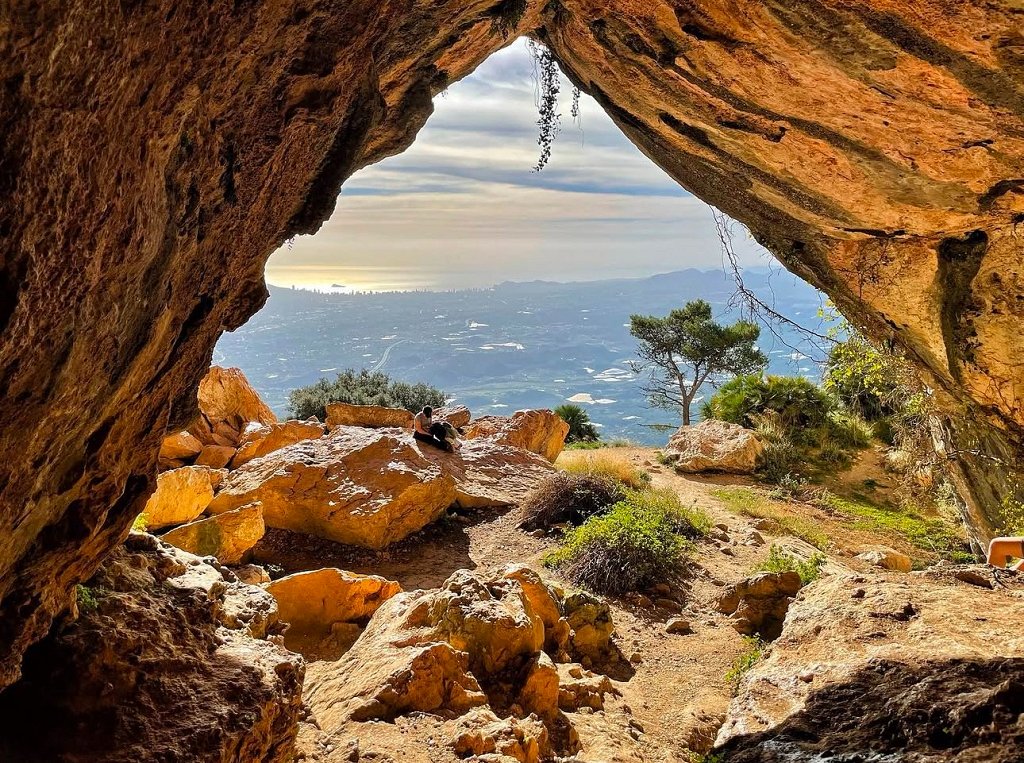
One of the most impressive natural features near Altea is the Barranc del Mascarat.
This dramatic gorge cuts through the surrounding limestone mountains and has long been an important geographical feature of the area.
The landscape includes towering rock walls, steep slopes and striking natural formations.
The gorge can be appreciated from authorised viewpoints and surrounding transport routes.
For experienced walkers and climbers, the wider Mascarat area contains outdoor routes and climbing opportunities.
However, this is not an ordinary family sightseeing trail.
Sections of the gorge are steep and potentially dangerous, with exposed terrain and risks associated with falling rocks or changing weather.
Visitor tip: Do not enter restricted gorge areas or attempt unfamiliar climbing or canyon routes without suitable equipment, experience and current access information.
Altea is also an excellent base for exploring other attractions across the Costa Blanca.
These locations are outside Altea but are worthwhile additions to a longer holiday.
Situated south of Altea, Albir is known for its attractive pebble beach, Mediterranean promenade and views towards Serra Gelada.
Visitors can also explore the famous walk towards Faro de l'Albir, a lighthouse situated within the natural park.
The walking route provides spectacular views of the cliffs and coastline.
Visitor tip: Although Albir is close to Altea, it belongs to the neighbouring municipality of L'Alfàs del Pi.
Read our Albir Beach Guide.
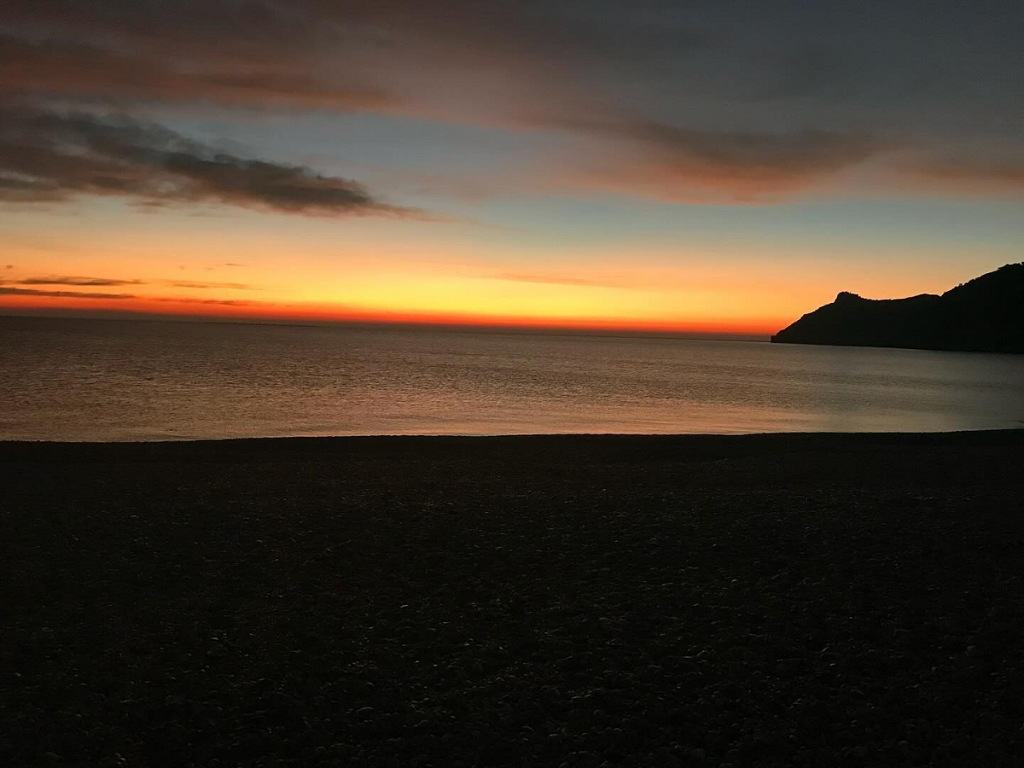
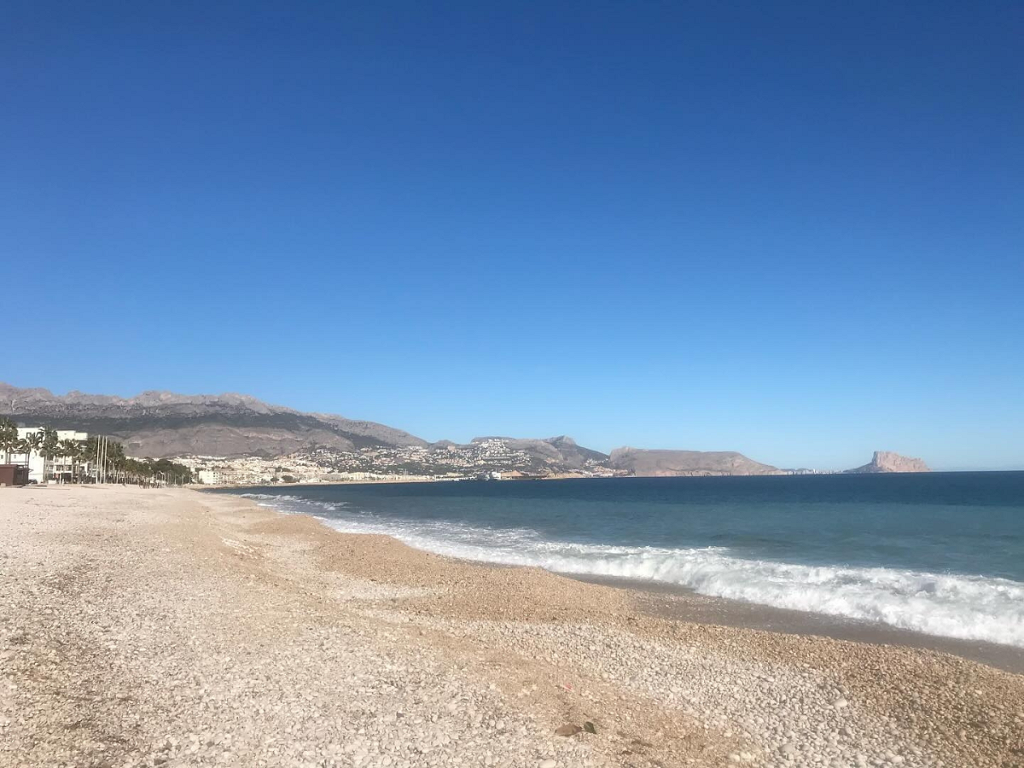
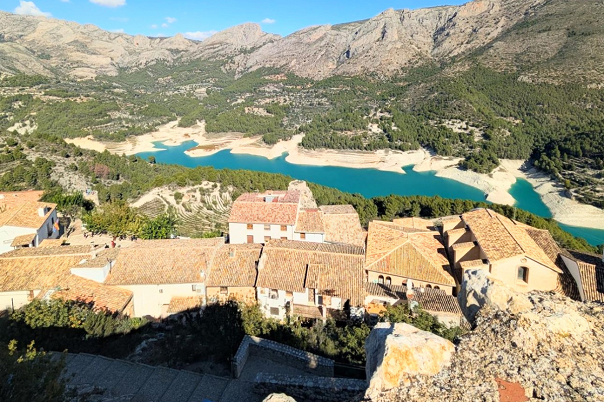
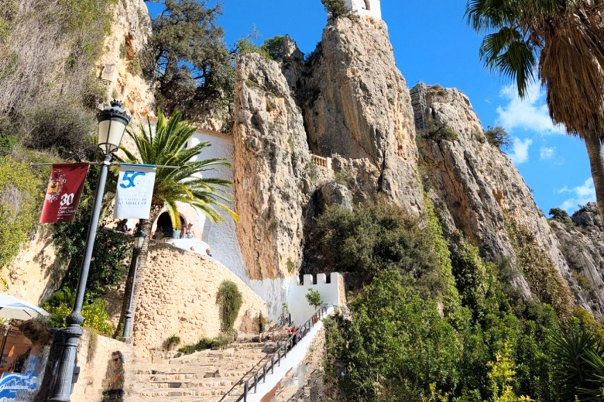
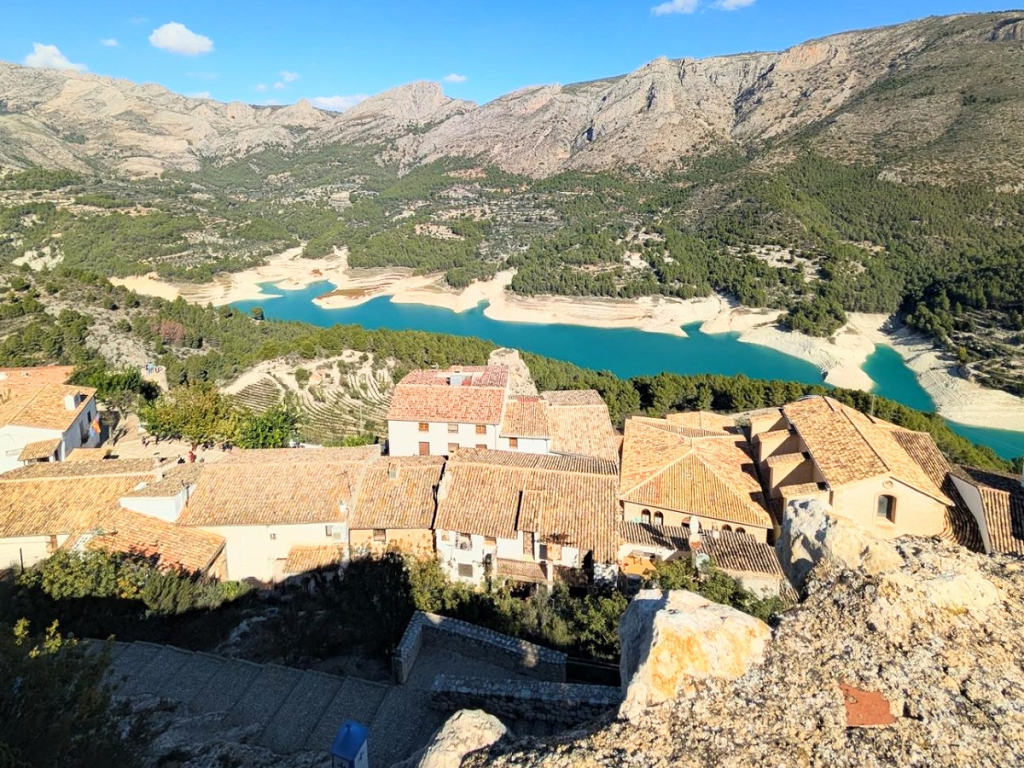
For a memorable inland excursion, visit the beautiful village of Guadalest.
Perched high above a turquoise reservoir, Guadalest is known for its historic castle remains, narrow streets and spectacular mountain views.
Visitors can explore traditional buildings, small museums and scenic viewpoints.
The village provides a dramatic contrast to Altea's coastal scenery.
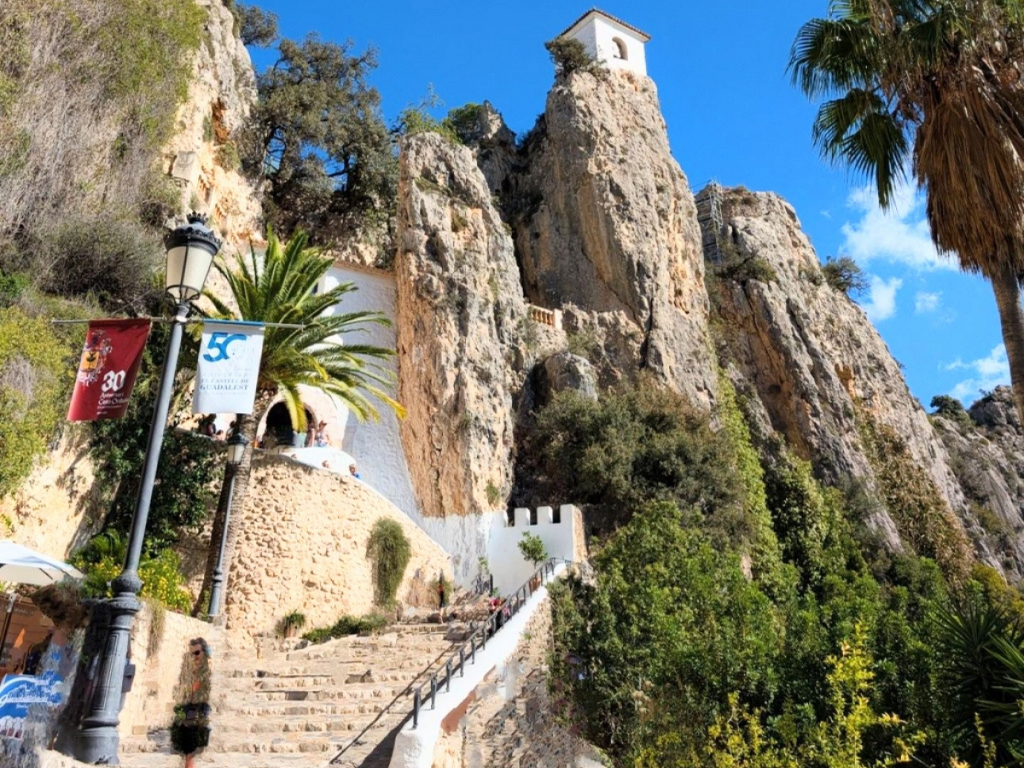
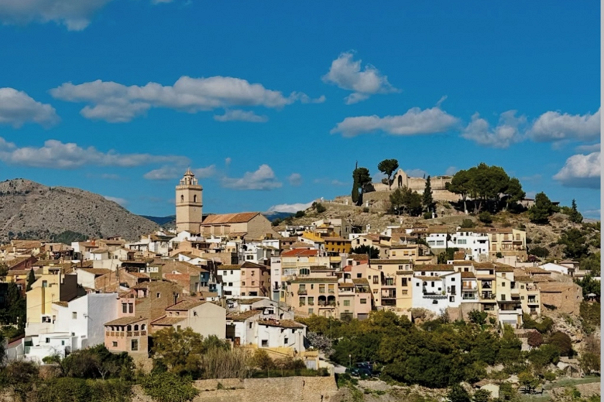
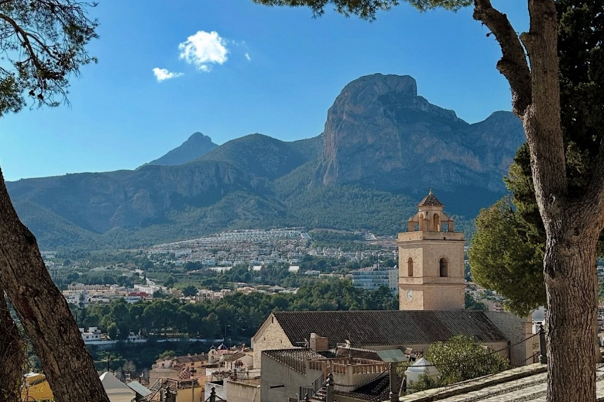
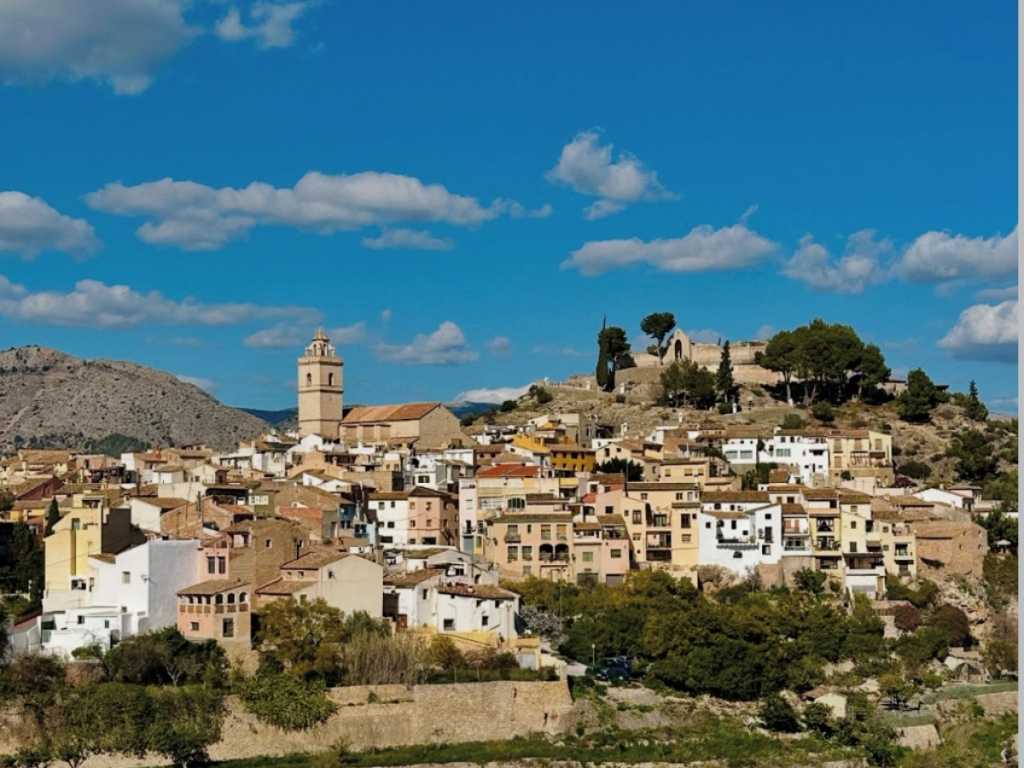
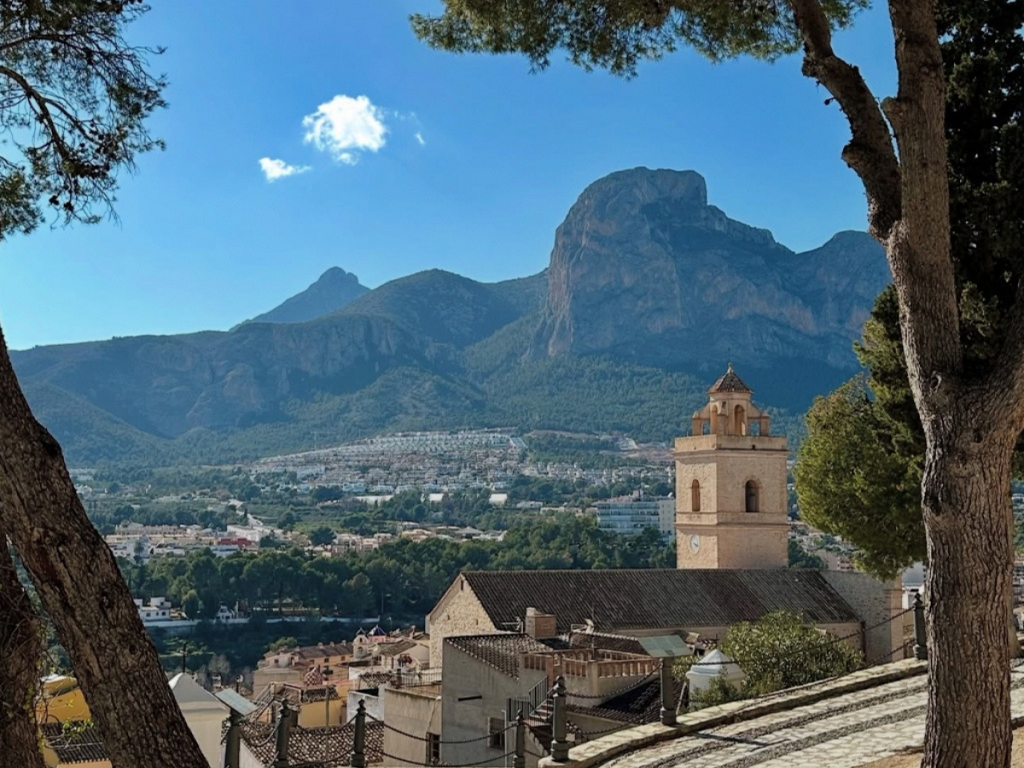
Polop de la Marina is another attractive inland village situated a short journey from Altea.
Known for its traditional architecture, historic castle remains and beautiful mountain surroundings, Polop offers a relaxed alternative to the coast.
Visitors can discover narrow streets, scenic viewpoints and the famous Font dels Xorrets fountain.
Read our Visiting Polop de la Marina Guide.
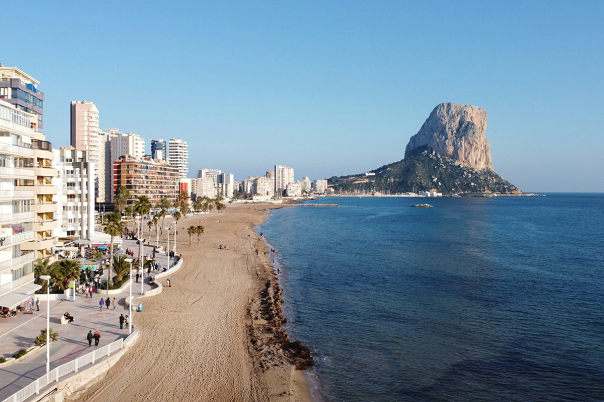
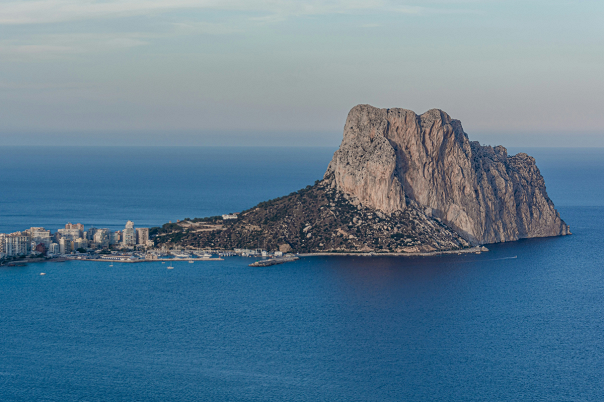
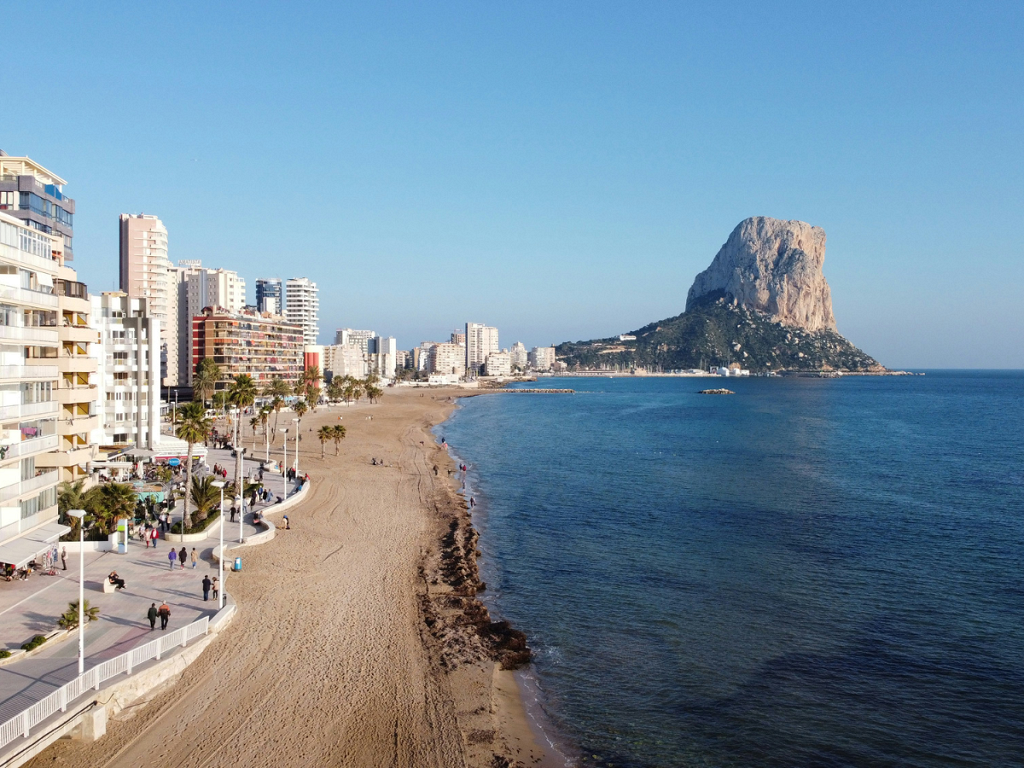
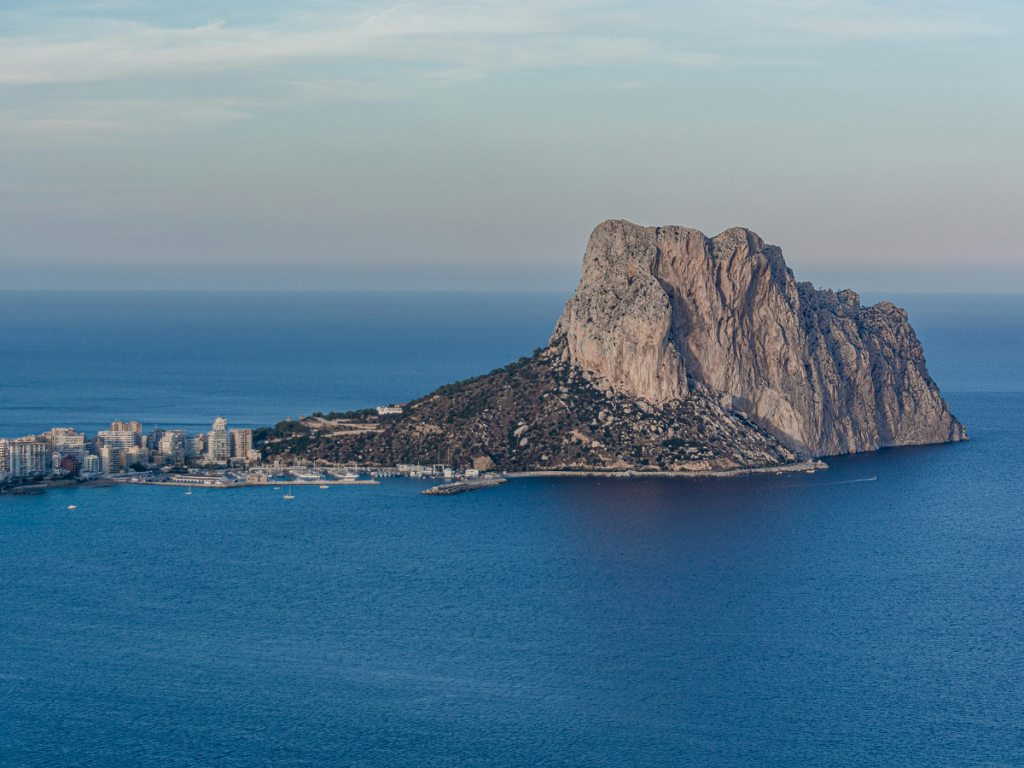
North of Altea, Calpe is one of the Costa Blanca's most recognisable coastal destinations.
Its famous Peñón de Ifach rises 332 metres above the Mediterranean, creating a spectacular natural landmark.
Visitors can also explore Calpe's colourful Old Town, beautiful sandy beaches, Roman archaeological remains and saltwater lagoon.
Calpe makes an excellent day trip for visitors staying in Altea.



 Spanish
 Chinese (simplified)
 Dutch
 French
 German
 Italian
 Norwegian
 Polish
 Romanian
 Russian